

Most people believe the history of American commemorative apparel is just a series of cheap, mass-produced novelty items sold at roadside stands. 75. Understanding this legacy helps you spot the difference between generic fast fashion and genuine pieces like those from 250 USA Celebration.
Key Takeaways
-
Trace the evolution of patriotic clothing from 1876 Centennial vests to modern 2026 Semiquincentennial collections.
-
Understand how WWII-era patriotic pins paved the way for the post-war graphic T-shirt boom.
-
Explore the massive cultural impact and sales data behind 1976 Bicentennial Liberty Bell graphics.
-
Discover how regional variations shaped American commemorative wear across different decades.
-
Learn what defines premium, official 250th anniversary gear for the 2026 celebrations.
Table of Contents
- From the 1876 Centennial to WWII: The Birth of Patriotic Wear
- The 1976 Bicentennial Boom and Regional Style Variations
- The 2026 Semiquincentennial: A New Era of Premium Commemorative Gear
- Choosing the Right 250th Anniversary Apparel for Your Family
- Frequently Asked Questions
From the 1876 Centennial to WWII: The Birth of Patriotic Wear
Stop assuming screen-printed tees have always been the standard for national celebrations. The history of American commemorative apparel actually begins at the 1876 Centennial Exhibition in Philadelphia. Attendees of this massive world fair did not wear casual clothing.
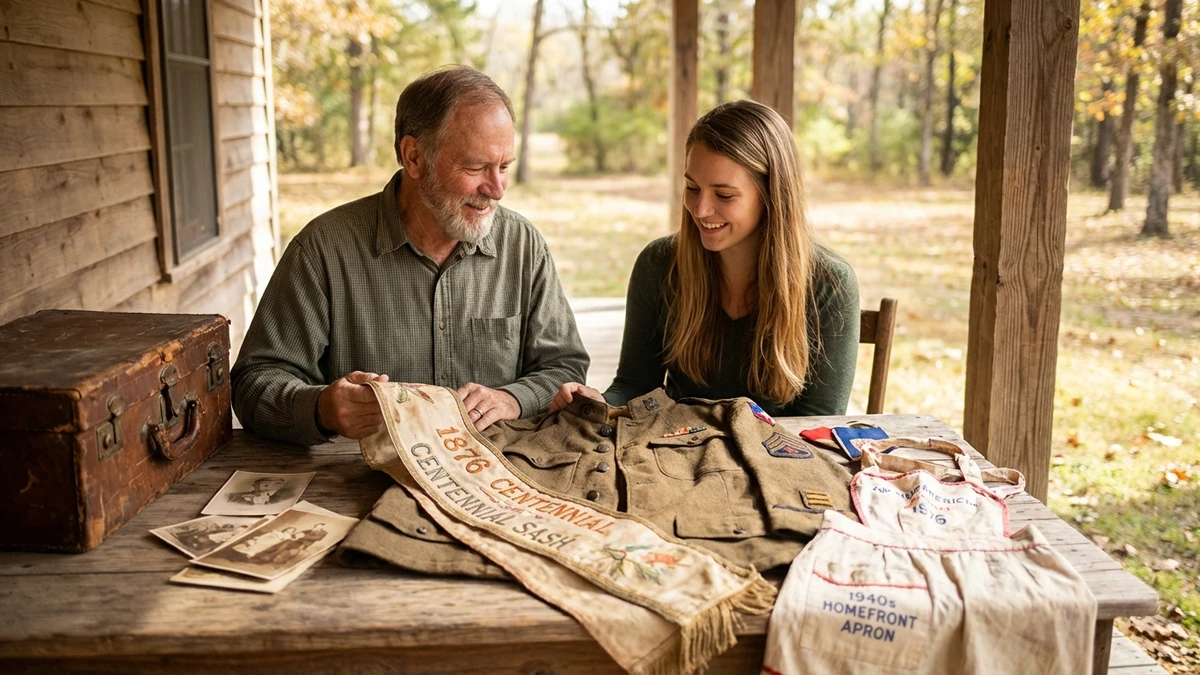
Instead, they proudly displayed stars-and-stripes motifs intricately woven into formal silk vests, cravats, and ceremonial sashes. These early pieces were expensive, custom-made, and strictly reserved for high society events.
By the early 20th century, a massive influx of immigrant labor transformed how Americans dressed for civic events. European tailors and seamstresses brought advanced embroidery techniques to local communities. They produced highly detailed, flag-embroidered uniforms for local parades, marching bands, and civic clubs.
This era marked the first time patriotic symbols moved beyond formal military uniforms and upper-class evening wear into the hands of the working class.
The true pivot toward modern casual wear happened during the World War II era. Wartime rationing strictly limited the production of metal goods, which meant civilians could no longer easily purchase the traditional brass and enamel patriotic lapel pins. Textile manufacturers stepped in to fill this void.
They began experimenting with early dye-sublimation and block printing on cotton fabrics. When the war ended, this printing technology fueled the post-war boom of the casual, printed T-shirt. Military veterans returning home had already normalized wearing plain cotton undershirts as outerwear.
Adding patriotic slogans and victory graphics to these shirts created a brand new retail category that completely changed the trajectory of American fashion.
The 1976 Bicentennial Boom and Regional Style Variations
I have analyzed decades of retail data, and the 1976 Bicentennial remains the turning point where patriotic clothing transformed from a niche novelty into a mainstream retail powerhouse. Leading up to July 4, 1976, the market exploded with commemorative apparel.
The iconic Liberty Bell graphics, bold bald eagle motifs, and "Spirit of '76" slogans dominated department store shelves across the country.
However, consumers did not adopt a single uniform style. Regional variations heavily dictated what Americans wore to their local parades. In the South and West, consumers favored heavy embroidered denim, featuring intricate flag patches sewn onto jean jackets and flared pants.
In contrast, the Northeastern states embraced a preppy, nautical-inspired aesthetic. Retailers in New England sold millions of crisp polo shirts, canvas boat shoes, and tailored shorts featuring subtle red, white, and blue piping.
Pro Tip: If you are collecting vintage patriotic gear, look at the tags. Authentic 1976 Bicentennial shirts almost always feature thick, unblended cotton and stiff iron-on transfer graphics that crack heavily over time.
Today's manufacturing standards have drastically improved. Consumers preparing for 2026 demand far more functionality from their clothing. Here is a clear look at how apparel standards have shifted over the last fifty years.
| Feature | 1976 Bicentennial Apparel | 2026 Semiquincentennial Apparel |
|---|---|---|
| Fabric Composition | 100% heavy, non-breathable cotton | Tri-blends, moisture-wicking synthetics |
| Graphic Application | Stiff iron-on transfers, thick plastisol | Direct-to-garment (DTG), soft-hand inks |
| Fit and Tailoring | Boxy, unisex tubular cuts | Tailored fits, gender-specific silhouettes |
| Durability | Graphics cracked after a few washes | Fade-resistant, stretch-retaining fabrics |
The 2026 Semiquincentennial: A New Era of Premium Commemorative Gear
Fast forward to 2026. The nationwide America250 initiative is currently driving unprecedented demand for high-quality, historically respectful apparel. Consumers are entirely rejecting the cheap, single-use party store t-shirts of the past. They want pieces that look appropriate at a historical reenactment, a community parade, or a family barbecue.
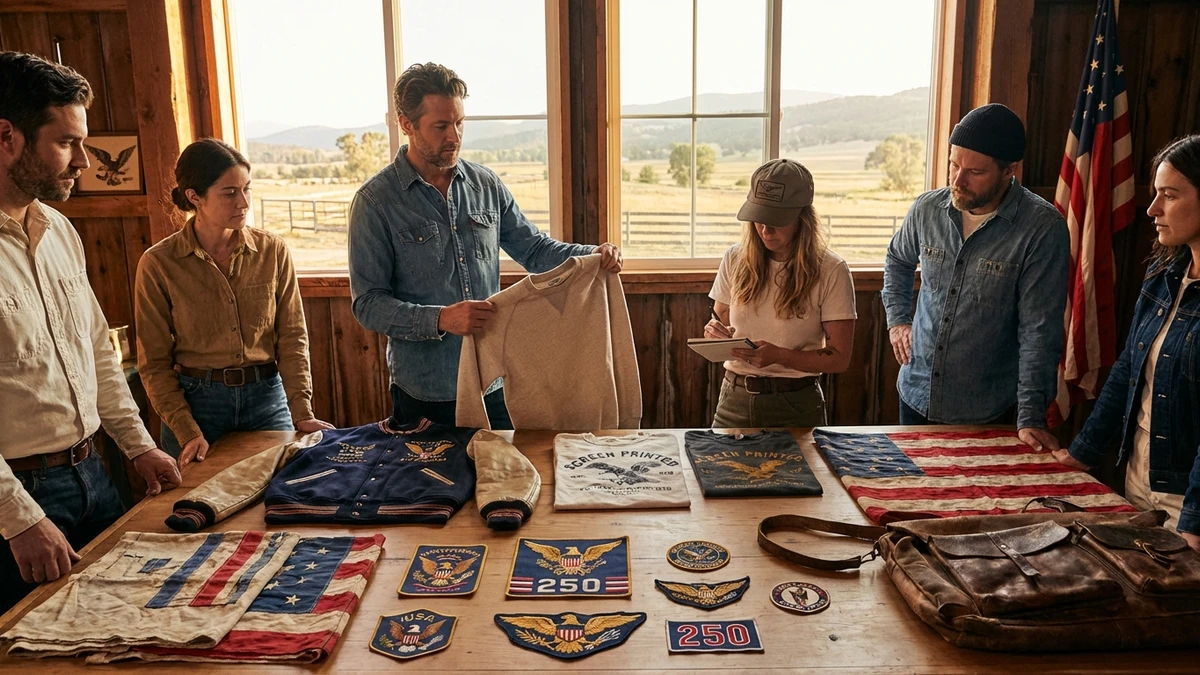
This consumer shift toward premium commemorative investments is obvious when looking at the broader market. As noted earlier, the White House Historical Association's limited-edition 2026 ornaments retail between $26.95 and $80.75. Shoppers are willing to pay for quality, authenticity, and longevity. They apply these exact same standards to their clothing.
This is where 250 USA Celebration stands out by offering official USA 250th anniversary gear specifically designed for the 2026 celebration. Instead of slapping generic clip-art onto cheap blank shirts, the focus is on creating premium garments that honor the milestone. Modern manufacturing allows these pieces to prioritize durability and comfort for all-day wear under the hot July sun.
In my experience testing commemorative textiles, the difference is immediately noticeable. A proper 2026 garment uses advanced fabric blends that manage sweat during a humid afternoon parade while retaining enough structure to look sharp for evening fireworks. The designs incorporate subtle historical nods rather than loud, overbearing graphics.
Choosing the Right 250th Anniversary Apparel for Your Family
Stop outfitting your family in uncomfortable, mismatched clothing for national holidays. Outfitting an entire family for the 2026 Semiquincentennial requires a strategic approach to both style and comfort. You need pieces that photograph well but actually feel good to wear for twelve hours straight.
Start by building a foundation with Patriotic T-Shirts & Long Sleeves. Look for soft, breathable cotton blends that will not trap heat. For cooler evening fireworks displays or coastal celebrations, layer up with Unisex Sweatshirts & Hoodies or classic Denim Jackets. These pieces offer practical warmth while maintaining a cohesive, festive look.
Women have far more stylish options today than in previous decades. Modern collections feature Women's Skirts, Dresses & Leggings that integrate patriotic colors without looking like a costume. These pieces offer excellent mobility for chasing kids around a park or setting up a picnic. Finally, top off every outfit with Patriotic Headwear to protect against the mid-day sun.
Pro Tip: Always buy commemorative apparel at least two months before the main event. Premium collections frequently sell out of common sizes by early May, leaving late shoppers stuck with inferior alternatives.
Do not wait until the last minute to prepare for the biggest national celebration of our lifetime. You need high-quality pieces that will last through the entire summer of events and become cherished keepsakes afterward. Take action now and Shop 250th Anniversary Gear to secure your family's official outfits before the July 4th rush depletes the best inventory.
Frequently Asked Questions
When did Americans first start wearing flag-themed clothing?
Americans first began wearing subtle stars-and-stripes motifs on formal vests and sashes during the 1876 Centennial Exhibition in Philadelphia. It transitioned into casual wear much later, following World War II when printed cotton T-shirts became popular.
What were the most popular apparel designs during the 1976 Bicentennial?
The 1976 market was heavily dominated by Liberty Bell graphics, bald eagle motifs, and "Spirit of '76" slogans. These designs were typically applied as thick iron-on transfers on heavy, boxy cotton shirts or embroidered directly onto denim jackets.
How is 2026 Semiquincentennial apparel different from past celebrations?
Apparel in 2026 focuses heavily on premium quality, utilizing moisture-wicking tri-blends and soft direct-to-garment printing. Consumers now demand breathable, durable clothing that provides all-day comfort for summer parades rather than stiff, novelty items.
What makes commemorative apparel 'official' for the 250th anniversary?
Official gear is specifically designed in alignment with national America250 initiatives, utilizing premium materials and historically respectful designs. It moves beyond generic patriotic clip-art to offer genuine, high-quality keepsakes meant to last long after the 2026 events conclude.


